- AWH Editorial Team
- May 03, 2026
- Wedding Videography Guides
Wedding Videography Styles Explained for...
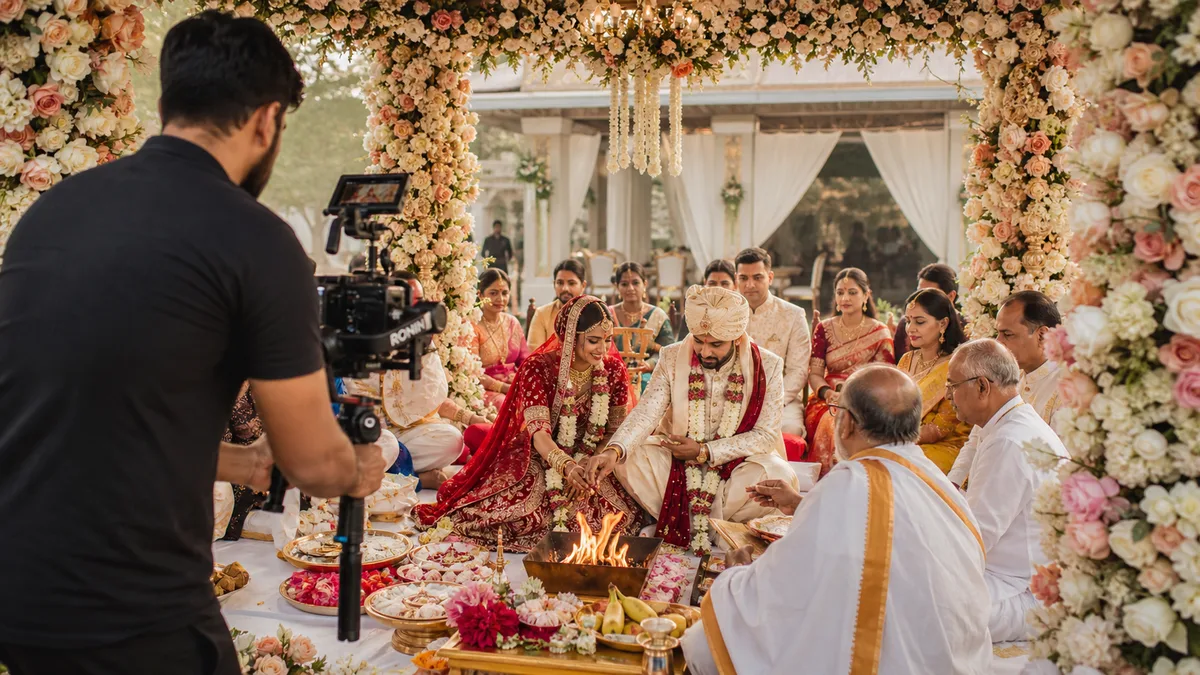
Wedding videography has evolved dramatically over the past decade. The era of a single camcorder recording the full day from a tripod is largely over — today's wedding films are edited, colour-graded, and scored productions that bear more resemblance to documentary cinema than home video. Understanding the different styles helps you identify what you actually want — and communicate that clearly to your videographer. The most popular style at British Asian weddings today. A cinematic wedding film is edited — sequences are selected, ordered for emotional impact, colour graded, and set to music. The result feels like a short film about your wedding day, not a recording of it. Key characteristics: A cinematic highlight film runs 6–15 minutes. It is the version of your wedding film you will share with family abroad, post on social media, and watch on anniversaries. It is designed for repeated viewing. Best for: Couples who want a beautiful, shareable wedding film that tells the story of the day with emotional impact. A less interventionist style — the camera follows events as they happen without directing, posing, or structuring. The result is a more natural, unscripted record that captures the genuine emotions and spontaneous moments of the day. Key characteristics: Best for: Couples who value authenticity and natural emotion over a polished aesthetic. Works particularly well for intimate ceremonies and families who want a genuine record rather than a produced film. A comprehensive, near-complete recording of the wedding day — static camera setups at key positions covering the full ceremony duration. Less artistically produced but thorough. Every moment is captured, even those that would be cut from a cinematic highlight film. Key characteristics: Best for: Families who want a comprehensive archive — particularly useful for family members abroad who could not attend. Often requested alongside a cinematic highlight film as a secondary deliverable. A short film (3–5 minutes) edited and completed on the same day as the wedding, then played on a screen at the evening reception while guests are still present. A luxury service requiring an additional editor working remotely during the day. Key characteristics: Best for: Couples who want a standout moment at their reception and have the budget for a premium service. SDE adds £1,000–£3,000 to the cost of a standard package. You can request a general style direction (slower pacing, more emotional tone, specific genre of music). However, many videographers reserve final creative control over the edit — particularly over music choice, as licensing restrictions often prevent couples from specifying commercial tracks. Discuss creative direction at the booking stage and agree what input you will have in the edit. Some videographers offer a revision round; others deliver a final cut. For large South Asian receptions with 200+ guests, a same-day edit can be one of the most talked-about moments of the evening — guests watching the baraat and ceremony from the morning, on screen, while they are eating. The logistics are complex and the cost is significant, but the emotional impact is extraordinary. If your budget allows and you want a standout reception moment, it is worth considering.Cinematic Wedding Videography
Documentary / Observational Wedding Videography
Traditional Wedding Video
Same-Day Edit (SDE)
Which Style Is Right for a South Asian Wedding?
Style
Best for South Asian weddings?
Cinematic highlight Yes — most popular; captures the drama and emotion of multi-ceremony weddings Documentary Yes — especially for capturing authentic family moments and spontaneous emotion Traditional full-length Essential as a secondary deliverable — families abroad want to watch the full nikah or pheras Same-day edit Very impactful at large South Asian receptions — well-suited to the scale and energy of the event Can I request a specific editing style or music track for my wedding film?
Is a same-day edit worth the extra cost at a South Asian wedding?
Share on